


 goxploreperu
 Table of contents
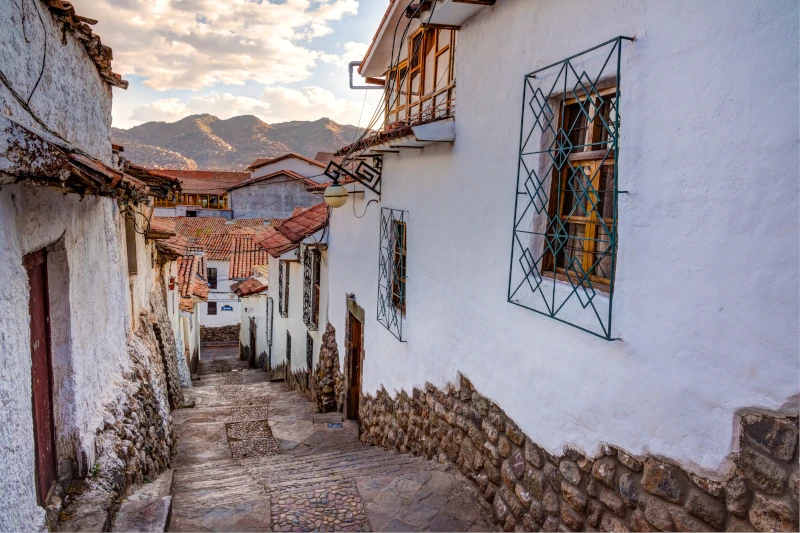
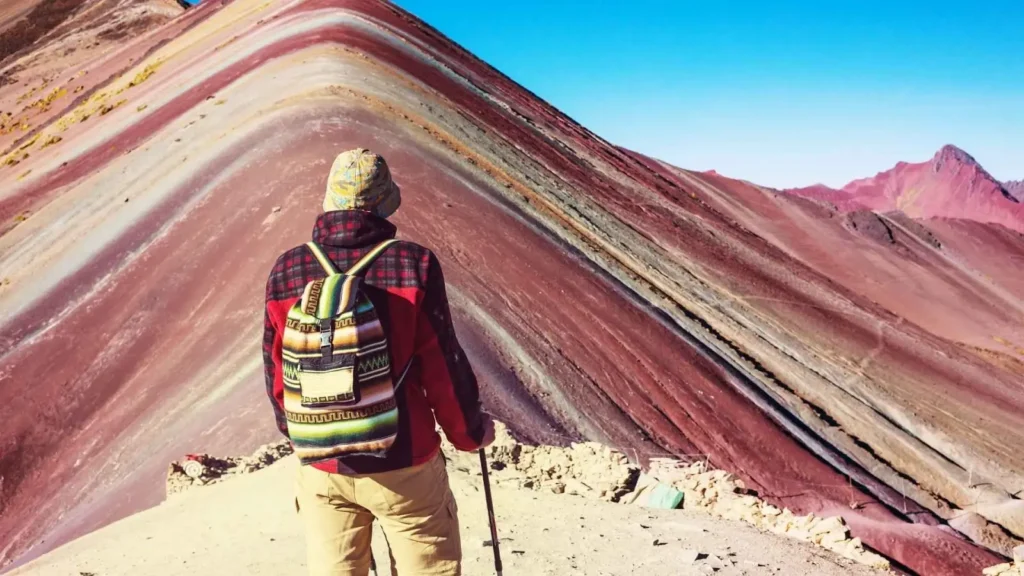
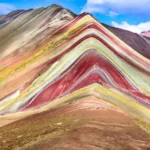
Cusco sits at roughly 3,400 meters (11,150 feet) above sea level, and several of our excursions climb even higher — Rainbow Mountain reaches over 5,000 meters and Humantay Lake sits at 4,200 meters. Altitude sickness, known locally as soroche, is common among travelers arriving from lower elevations. It’s rarely dangerous if you take a few precautions, but it can ruin a tour day if ignored.
What Causes It
At higher elevations there’s less oxygen in the air. Your body needs time to adjust — usually 24 to 48 hours — by producing more red blood cells and breathing more deeply. Symptoms typically appear within a few hours of arrival and include headache, fatigue, shortness of breath, dizziness, nausea, and difficulty sleeping.
Before You Arrive
- If your schedule allows, arrive in Cusco 1-2 days before any high-altitude excursion (Rainbow Mountain, Humantay Lake, Ausangate). This is the single most effective thing you can do.
- Stay hydrated in the days leading up to your trip and avoid heavy alcohol consumption the night before flying in.
- Talk to your doctor about altitude sickness medication (such as acetazolamide) if you have a history of severe symptoms.
Once You’re in Cusco
- Take it easy on day one. Avoid strenuous activity, alcohol, and heavy meals for the first 24 hours.
- Drink plenty of water — more than you think you need. Avoid excessive caffeine.
- Try mate de coca (coca leaf tea), a traditional remedy widely available in hotels and restaurants across Cusco.
- Eat light meals and prioritize carbohydrates over heavy, fatty food.
- Consider “soroche pills” (over-the-counter altitude sickness tablets), sold at most pharmacies in Cusco.
On the Day of a High-Altitude Tour
Several of our excursions — Rainbow Mountain, Humantay Lake, and the 7 Lagunas Ausangate tour — include an oxygen tank and first aid kit with the guide as a standard precaution. If you start to feel unwell during a hike, tell your guide immediately: slowing down, resting, and sipping water is usually enough. On tours where walking is optional (like Rainbow Mountain), horses are available for part of the route.
When to Be Concerned
Mild symptoms (headache, tiredness) are normal and usually pass within a day or two. Severe symptoms — confusion, difficulty walking in a straight line, or shortness of breath at rest — are signs of more serious altitude illness and require descending to a lower elevation and seeking medical attention.
With a bit of planning, altitude shouldn’t stop you from enjoying Cusco’s best excursions. If you’re unsure which tours are more demanding, check out our guide to day tours from Cusco or get in touch and we’ll help you plan an itinerary that eases you into the altitude.

Written by
goxploreperu
Editorial team at Go Xplore Peru, specialists in Machu Picchu and Peru travel.